
Heating and cooling systems have a maintenance rhythm most homeowners know, with a visit in spring and another in fall. Electrical systems do not come with one, and so they tend to get looked at only when something goes wrong. That can be a problem because electrical issues are among the few in a house that can become dangerous. This post offers a sensible rhythm for a Hampton Roads home, based on the age of the house, the events it has been through, and the loads you are asking of it.
The baseline: what age tells you
For a home built in the last fifteen years or so, an electrical inspection every five years is reasonable, with the first one whenever you buy the house, since a home inspection confirms that outlets work but does not open the panel or trace the wiring. For a home between fifteen and forty years old, every three to five years makes sense, because panels and breakers from that era are aging and the loads on them have grown. For a home older than forty years, which describes many homes in Norfolk, Portsmouth, and the older parts of Chesapeake and Virginia Beach, a yearly inspection is worth the small cost, since these homes may carry wiring from an earlier era, panels near the end of their lives, and service sizes that predate central air. Members of the Premium Home Care Agreement receive that yearly inspection as part of the plan, alongside the plumbing and heating and cooling visits.
The events that call for a check regardless of schedule
Some things reset the clock, and on the coast several of them come around often.
- After a flood or storm surge that reached any part of the house, including a garage or crawl space with the panel or wiring in it. Water in a panel starts corrosion that becomes a fire risk months later, even when everything seems to work.
- After a lightning strike nearby, or a power restoration that took out electronics in the house, since the surge that damaged a television may have damaged connections and breakers you cannot see.
- When you buy a home, before you move in if possible, so that anything found becomes part of the plan rather than a surprise.
- When you add a large load, such as an electric vehicle charger, a standby generator, a heat pump, a tankless electric water heater, or a hot tub, so the panel’s capacity is confirmed before the new circuit is run.
- After any renovation that touched the walls, since the wiring behind them may have been disturbed or extended by someone other than an electrician.
- Whenever a breaker begins tripping regularly, an outlet or switch plate feels warm, lights flicker or dim, or you notice a burning or fishy smell anywhere in the house. These do not wait for the calendar.
What an inspection looks at
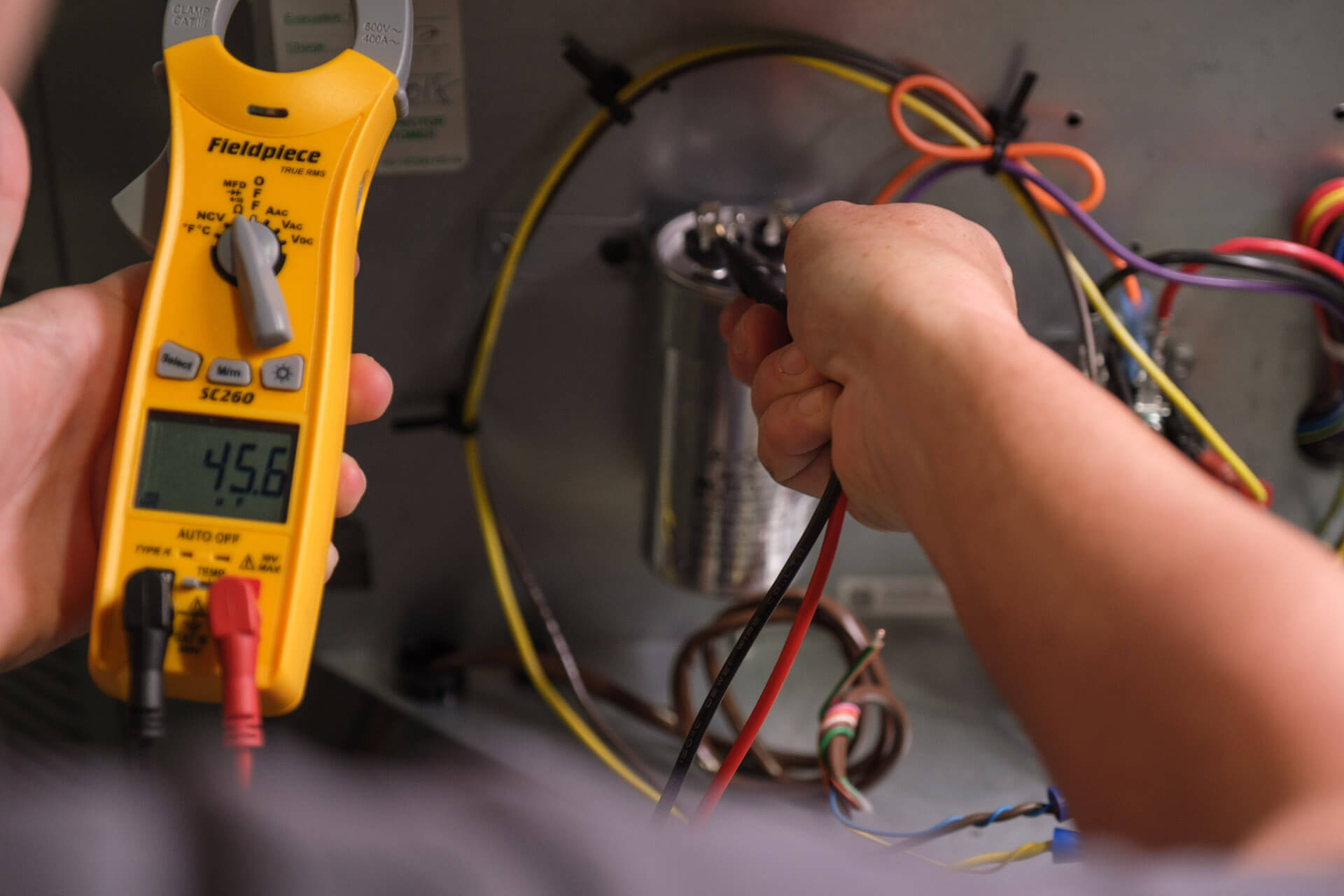
An electrical inspection is mostly looking, measuring, and tightening, and it is not disruptive to the household. The technician opens the panel and checks the breakers, the bus bars, the main, and every connection for heat, corrosion, and looseness, then tightens what has worked loose over years of small expansions and contractions. The visit covers the grounding and bonding, the GFCI protection in kitchens, baths, garages, and outdoors, the condition of the wiring where it can be seen in the attic, garage, and crawl space, the meter base and outdoor connections that salt air works on, and a sample of outlets and switches. Homes with aluminum branch wiring from the late 1960s and early 1970s, or with panel types that have known failure histories, get a specific look and a plain explanation of what that means. You receive a written picture of the system’s condition and a clear separation between what should be addressed soon and what can wait.
The coastal adjustment
Hampton Roads asks a little more of electrical systems than most places. Salt air corrodes every outdoor connection, from the meter base to the disconnect for the air conditioner to the outlets on the porch. The high water table and the region’s flooding put panels in garages and utility rooms at risk that inland panels never face. Summer storms and the surges that follow outages wear on breakers and electronics year after year. And docks, boat lifts, and pools bring water and electricity together in ways that need specific protection and a periodic look. None of that changes the rhythm above by much, but it does mean the checks that come with it matter more here.
Things you can do between inspections
- Press the test and reset buttons on every GFCI outlet once a month, and note any that will not reset.
- Test the smoke and carbon monoxide detectors twice a year and replace them when they pass the date printed on the back.
- Feel outlet and switch plates for warmth now and then, especially the ones serving heaters, window units, or kitchen appliances.
- Retire extension cords that have become permanent, and notice which rooms seem to need one, since that is where an outlet belongs.
- Keep a simple record of breaker trips, with the date and what was running, because that history is useful to a technician.
Setting the rhythm
Russell’s American Mechanical has served Hampton Roads since 1977, and our electricians are trained continuously throughout their employment rather than only at the start. If your home has never had an electrical inspection, or if one of the events above has come and gone without one, an electrical services visit is the place to start. Schedule online, use the website chat, or call, and same-day appointments are available by phone when the day allows. The technician will explain what was found and lay out any options at straightforward pricing, and the schedule from there is one you set.