
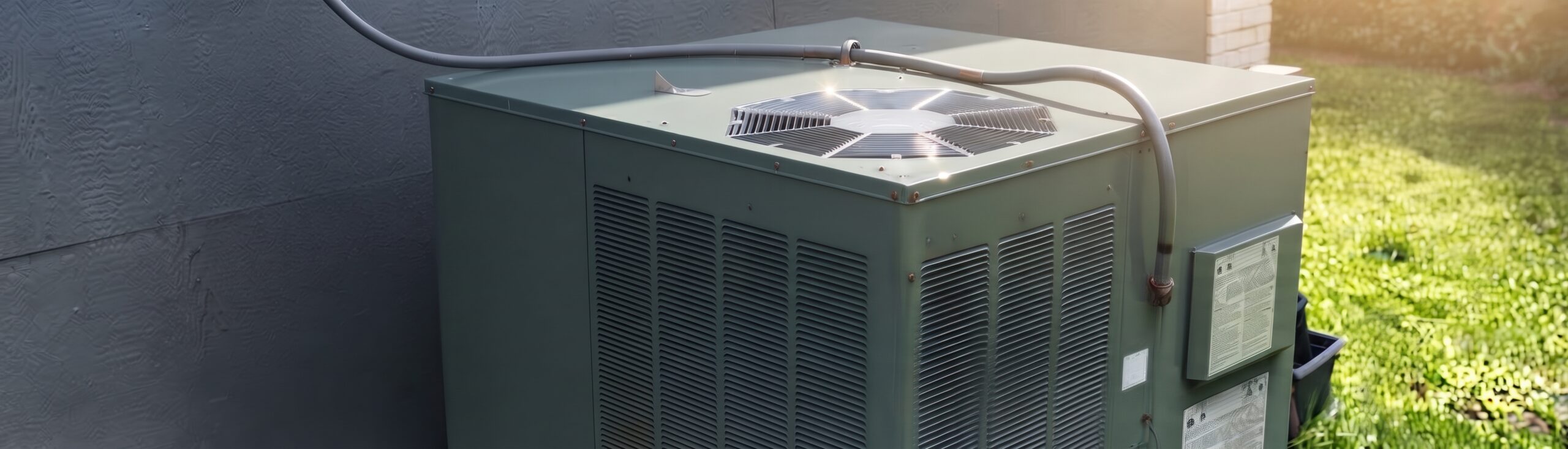
No one sets out to neglect a heating and cooling system. It happens gradually, one deferred tune-up after another, and each deferral makes sense at the time. Nothing seemed wrong, the budget was tight that month, and it was midsummer, which is a poor time to schedule anything. Then a few years pass, and the homeowner is in a hot house making a big decision in a hurry, which is when the lessons show up. We hear them often across Hampton Roads, and we have written them down here in the hope that reading them is easier than living them.
1. Energy efficiency slipped
A system with grimy coils, a low refrigerant charge, and an overdue filter still cools the house. It just runs longer to do so, and the extra cost spreads across twelve power bills rather than landing as one repair invoice, so it goes unnoticed. When a neglected system finally gets cleaned and charged, the next bill for similar weather often comes in lower, and homeowners find themselves doing the math backward across the years of skipped visits. On the coast, the outdoor coil also picks up a salt film each summer that inland coils never see, so an unwashed coil loses efficiency a bit faster here.
2. The warranty had conditions
This lesson arrives in an envelope, and it is an unpleasant one. A great many equipment warranties, and compressor warranties in particular, are honored only with proof of regular professional maintenance. A homeowner whose compressor fails in the sixth year of a ten-year warranty assumes the part is covered, then discovers that with no service records the claim is refused. A folder of tune-up receipts turns out to be some of the least expensive protection a house can have.
3. Salt air shortens the timeline
Cooling systems in Hampton Roads run a long season, April into October, and they do it breathing salt. Even so, a system that is maintained here can be expected to reach 12 to 15 years. A neglected one frequently gives out between 9 and 11, and luck has little to do with it. The compressor has been running hot on a dirty coil, starting hard on a weak capacitor, cycling short on a clogged filter, and pulling current through connections that corrosion has been loosening for a decade. The tune-ups were not saved; they were exchanged for a replacement several years earlier than necessary.
4. The small repair grew into a bigger one
Nearly every large HVAC repair began as a small one. A tired capacitor turns into a burned-out compressor, a slow refrigerant leak turns into an iced coil and then a compressor, a clogged condensate drain in an attic air handler turns into a stained ceiling, and a corroded terminal in the outdoor unit turns into scorched wiring. Tune-ups exist to catch each of these at the first stage, when the part is inexpensive and the visit is short, and homeowners who learn this lesson describe the same exchange with a technician: the failed part would have shown up two years earlier as a reading drifting out of range. Our maintenance visits are built around noticing those readings.
5. The house could have been comfortable all along
Not every lesson is about money. A system that no longer dehumidifies well leaves a coastal home feeling clammy at 74 degrees, so the thermostat drops to 71 and the bill rises. A separated duct in the attic leaves one bedroom warm all summer, and a dirty coil means the rooms at the far end never quite catch up, and it is natural to accept these as the way the house is. After a thorough visit, many homeowners find the house was capable of comfort the whole time, and the equipment had simply been too dirty or too low on charge to deliver it.
6. The replacement was chosen under pressure
This is the costliest lesson and the one we would most like to help you skip. When a system quits in the middle of a July heat wave, there is no time to compare options, wait for a convenient installation date, or think through whether a heat pump, a dual fuel system, or a different capacity would suit the house. The homeowner takes whatever can be installed soonest, and every company in the region is booked solid. A system that has been maintained usually gives notice through readings that drift across a couple of visits, and the technician can say plainly that replacement is a year or two out. That homeowner shops in October, compares quotes, asks about 10-year worry-free system coverage, and books the installation for a mild week. Both end up with new equipment, but only one of them chose it.
What the maintained house looks like
The remedy for every lesson here isn’t surprising: a cooling tune-up in spring, a heating tune-up in fall, and a fresh filter every one to three months in between. During the visits the technician cleans the coils, checks the charge, load-tests the capacitors and motors, clears the drain, cleans and tightens the connections that salt air loosens, inspects the heat exchanger and ignition on gas equipment, and gives you a plain account of anything trending the wrong way. The Premium Home Care Agreement schedules both visits each year and moves members to the front of the line when the first heat wave arrives, which is the week everyone else is learning these lessons.
Starting before the next season
Russell’s American Mechanical has served Hampton Roads since 1977, and we have seen every lesson in this post play out more often than we would like. If your system has gone a year or more without professional attention, schedule online, use the website chat, or call, and same-day appointments are available by phone when the day allows. The technician will diagnose, explain, and set out what the equipment needs at everyday pricing, and what happens next will be your decision.