
Ductwork is the part of a heating and cooling system nobody sees and almost nobody thinks about, right up until a technician says it may need to be replaced. That recommendation lands as a surprise, and it is reasonable to want to understand it first. This post explains how ductwork wears out in Hampton Roads homes and how to tell whether it needs replacing rather than sealing or cleaning. It also covers what a new duct system changes about the house and what the work involves, so the decision can rest on facts rather than be made on the spot.
What ductwork does, and how it fails here
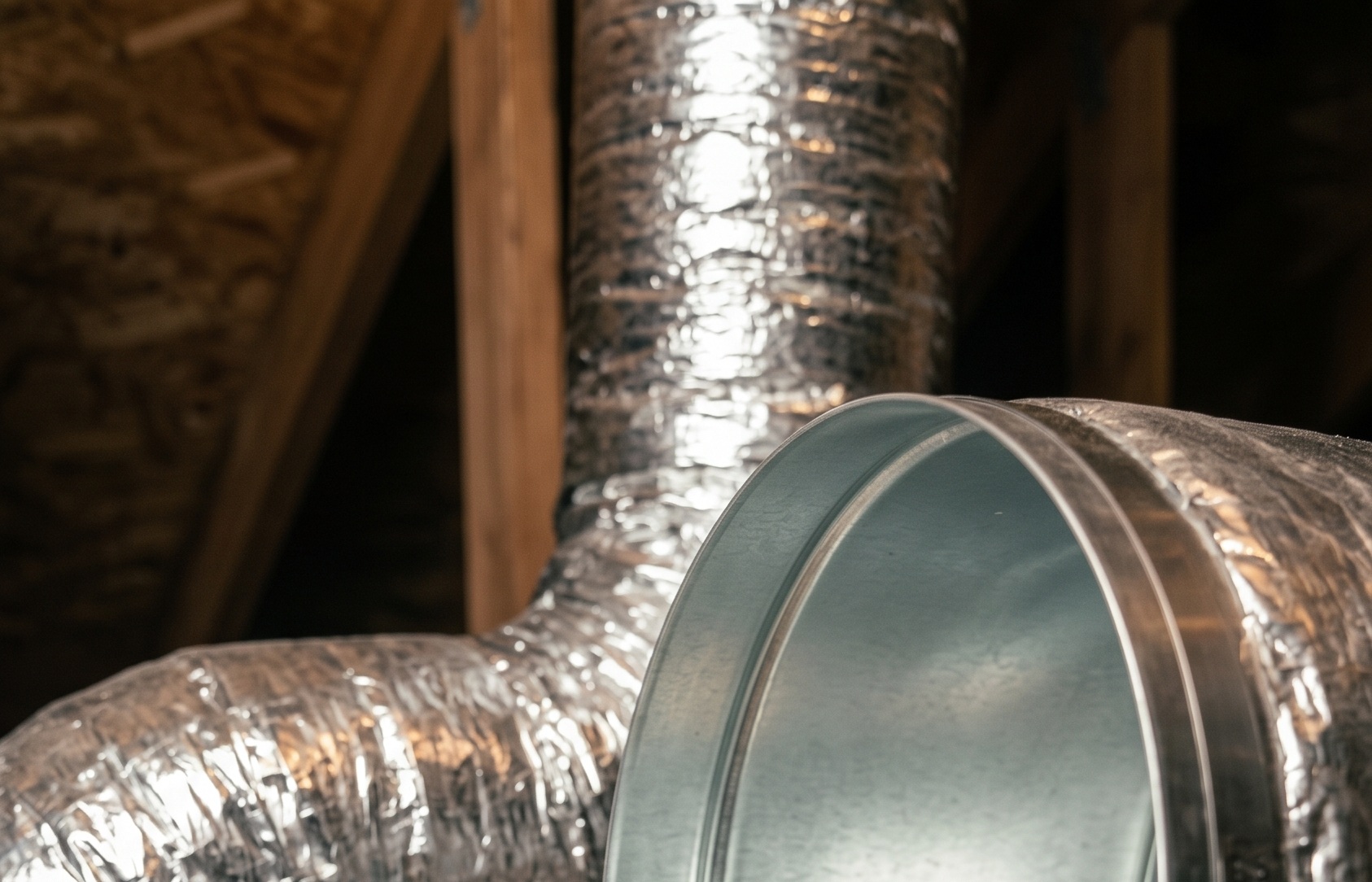
Ducts carry conditioned air from the air handler to every room and back, and they do it in the two least hospitable places in a coastal house. In the attic, flexible duct spends every summer in 130-degree air that bakes the liner brittle and lets the insulation jacket sag. In the crawl space, ducts sit in air kept damp by the water table, where metal rusts at the seams, flexible duct grows mold inside, and the hangers corrode and let it sag. Over decades the joints separate, the tape and mastic fail, and rodents find their way in, so a duct system in either location has usually opened in a dozen places by the time the house is twenty years old, and it may have been undersized to begin with.
Sealing, cleaning, or replacing
Not every duct problem calls for replacement, and a plain answer about which repair fits is part of what a technician owes you. Sealing is the answer when the ducts are sound but the joints leak; mastic and proper connections recover the lost air, and it is a modest job. Duct cleaning is the answer when the ducts are sound but dirty, which in a coastal home often means dust and growth after a damp season or a crawl space flood. Replacement is the answer when the material itself has failed: liner that crumbles when touched, metal rusted through, insulation fallen away along whole runs, mold inside flexible duct that cleaning cannot reach, or a layout so undersized the far rooms never got enough air. A camera and an airflow measurement show which you have.
The signs that point toward replacement
- Rooms that have never cooled or heated properly no matter how the system was adjusted, which points to a layout or sizing problem rather than a leak.
- A correctly sized system that runs constantly, since air leaking into the attic or crawl space has to be conditioned again.
- Dust that returns days after cleaning, or a musty smell from the vents that duct cleaning did not resolve, which suggests growth inside the duct material.
- Visible sagging, crushed runs, or fallen insulation in the crawl space or attic, or duct that has taken water in a flood.
- Ductwork older than the house’s second heating and cooling system, since a new system on ducts from the 1980s cannot deliver what it was rated for.
- Repeated sealing that has not held, because material that has gone brittle will not keep a seal.
What a new duct system changes
A replacement is one of the few HVAC jobs that improves comfort, efficiency, and air quality at once. Properly sized ducts deliver the designed airflow to every room, so the far bedroom finally holds the same temperature as the hallway and the system stops running long cycles to compensate. Sealed ducts stop feeding conditioned air into the attic and pulling damp crawl space air into the house, which lowers the bill and the indoor humidity together. New duct material with intact insulation stops the growth and dust that old duct has been circulating, which for a household with allergies is often the most noticeable change, and a system no longer fighting its ductwork runs closer to its rating and tends to last longer.
What the work involves
A duct replacement begins with a design rather than a demolition, as the technician measures the rooms, calculates the airflow each needs, and lays out a system sized for the equipment, which may differ from what is there now. The old duct is removed, the new runs are installed with sealed connections and, in a crawl space, hung clear of the ground, and each register is balanced so the rooms receive their share. In most homes the job takes one to three days, the living space is disturbed very little since the work happens above the ceiling and below the floor, and the technician tests the finished system’s airflow before leaving. On the coast, the design also considers what happens in a flood, since a crawl space that takes water in a nor’easter is a reason to route or elevate ducts differently.
Cost and timing
Duct replacement is priced by the size and complexity of the system, the access, and the material chosen, and a firm quote requires seeing the house. The sensible time to consider it is alongside a heating and cooling replacement, since a new system on failed ducts wastes part of what it cost, and the technician who quotes the equipment can quote the ducts at the same visit. Financing is available for both. When the ducts are failing but the equipment has years left, the replacement stands on its own, and the bill and the comfort are the return.
Getting a clear recommendation
Russell’s American Mechanical has served Hampton Roads since 1977. If a technician has mentioned your ductwork, or if the signs above describe your house, schedule an evaluation online, through the website chat, or by phone, and same-day appointments are available by phone when the day allows. The technician will measure the airflow, look inside the ducts, and tell you plainly whether sealing, cleaning, or replacement fits, with the price at everyday pricing before any work is scheduled. Our technicians are trained to diagnose, explain, and present the options, and the decision will be yours.
