
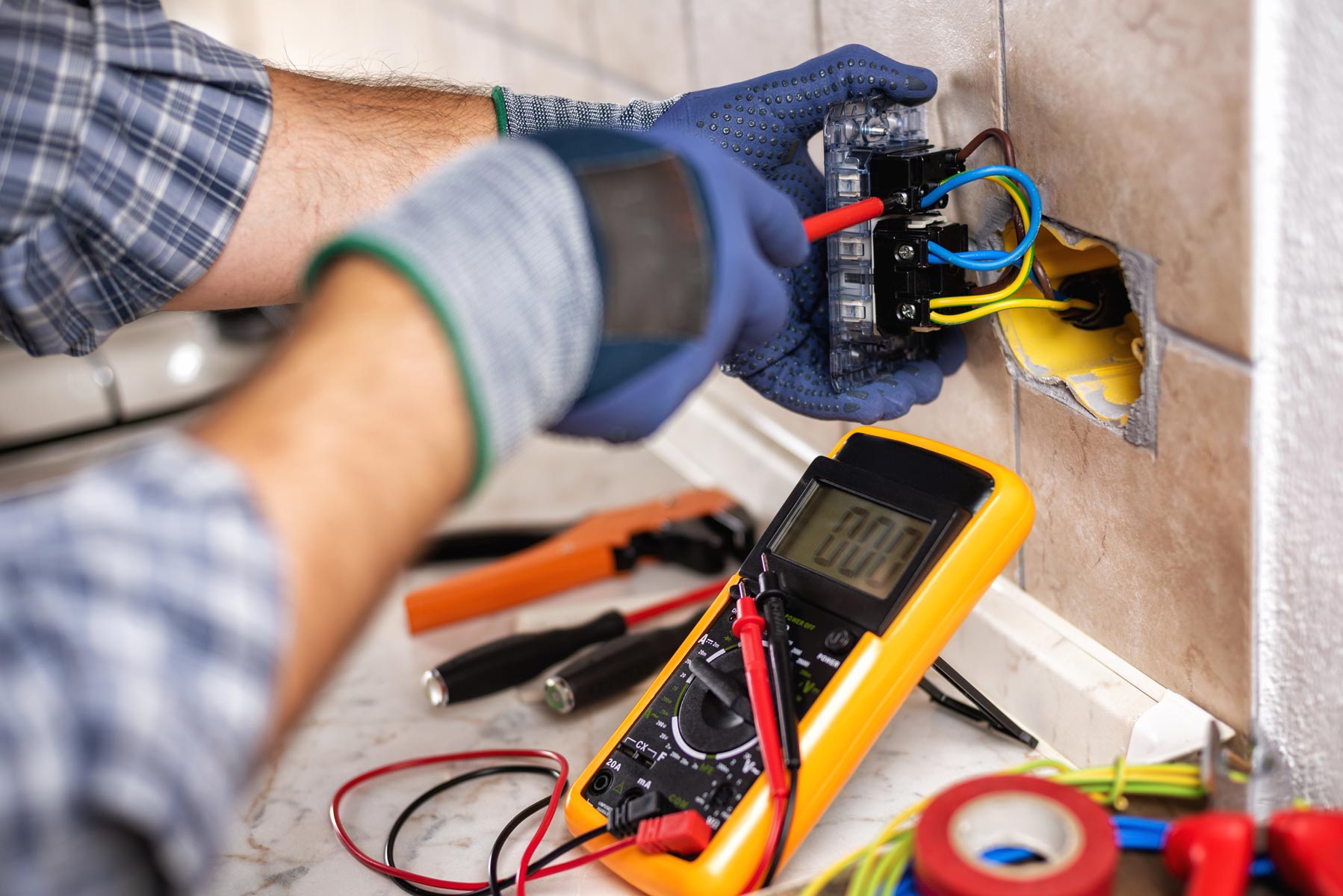
Nobody intends to ignore an electrical problem, but lax maintenance can cause problems. We understand that, and we also know electrical problems differ from most others in a house, because the cost of waiting is not measured only in dollars. Here are six problems we see often in Hampton Roads homes, what each grows into when left alone, and what taking care of it now looks like.
A connection that has worked loose
Every wire in a house ends at a screw, a clamp, or a push-in connector, and those connections loosen over decades of small expansions and contractions as current warms them and they cool again. A loose connection builds resistance, resistance builds heat, and heat is where electrical fires begin. Early on, the only sign is an outlet or switch plate that feels a little warm, or a light that flickers when something else turns on. Later there is discoloration around the plate, then a smell, and by then the wire’s insulation has been cooking for months. Taking care of it now means an electrician tightening or replacing the connection, which is a short visit. In coastal air, where corrosion loosens connections faster, this is the reason the panel and the outdoor connections get tightened during every inspection.
A circuit that is always at its limit
A circuit that runs near its capacity every day, such as a kitchen circuit carrying a microwave, a toaster oven, and a coffee maker, or a bedroom circuit carrying a space heater in winter and a window unit in summer, wears out its breaker and heats its wiring a little at a time. The breaker trips now and then, gets reset, and the pattern goes on. What compounds is the breaker itself, which grows less reliable with every trip until it either trips constantly or stops tripping when it should, and the second outcome is the dangerous one. The fix is usually adding a circuit so the load is split, which our wiring team handles in a few hours.
A breaker that keeps tripping
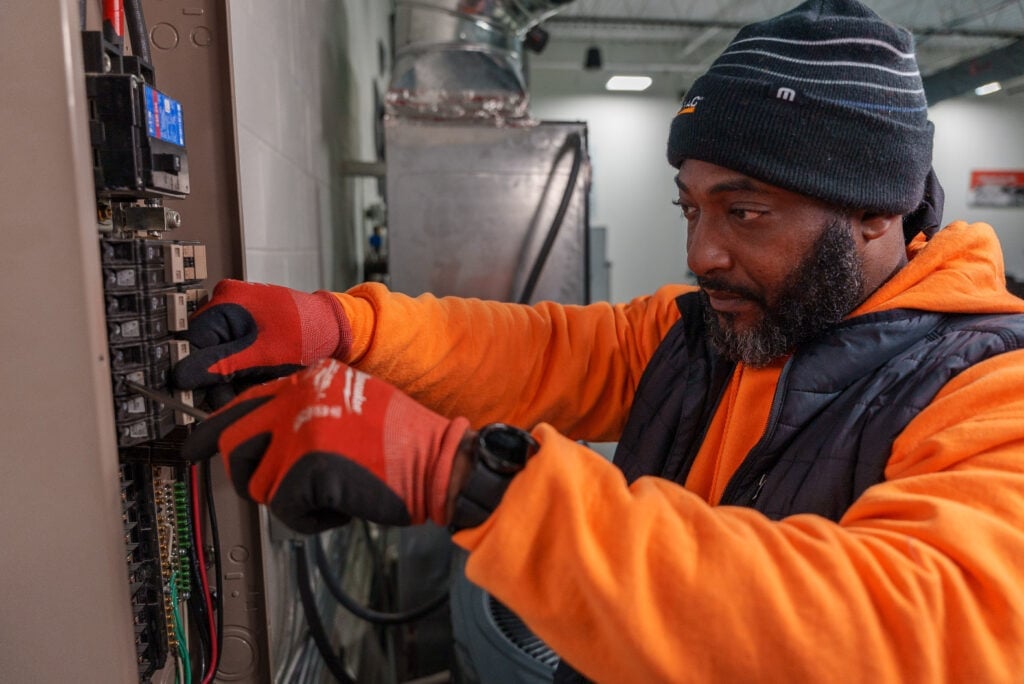
A breaker that trips repeatedly on ordinary use is telling you something, and resetting it each time is like silencing an alarm without finding the fire. The cause may be an overloaded circuit, a failing appliance, a damaged wire behind a wall, or the breaker itself wearing out. Left alone, the fault behind it continues, and a breaker reset too many times may eventually fail closed and stop protecting the circuit at all. Taking care of it now means a diagnostic visit that traces the trip to its cause, and our circuit breaker technicians do exactly that. If the pattern is across several breakers, it is often the panel rather than the circuits, which is its own discussion to have calmly.
Surges nobody notices
Most surges are small. Lightning miles away, a large motor starting on the street, and power returning after an outage each send a brief spike through the house, and Hampton Roads sees many across a summer of thunderstorms and a season of outages. Each one shortens the life of the electronics in the house by a little, from the control board in the air handler to the circuit board in the refrigerator, and none of it shows until something fails early. The large surge, when it comes, takes out several things at once. Taking care of it now means whole-home surge protection at the panel, which absorbs the small ones and the large one alike, and it is one of the less expensive things an electrician installs.
Corrosion on the coast
Salt air is patient. It works on the meter base, the service entrance, the disconnect for the air conditioner, the outdoor outlets, and any connection in a garage or crawl space that takes damp air, and it leaves a green or white crust that most people take for age rather than damage. What compounds is that corrosion is resistance, and resistance is heat, so a corroded connection follows the same path as a loose one, only more slowly and out of sight. A panel or a disconnect that has taken water in a flood corrodes from the inside and can fail months later. Taking care of it now means having the outdoor connections cleaned and tightened during an inspection, and replacing a meter base or disconnect that has corroded past saving before it becomes a fire or an outage.
Extension cords that never got put away
An extension cord is meant for a weekend, and many of them serve a lamp, a television, or a space heater for years. A cord under a rug or behind a sofa is stepped on, pinched, and warmed, and its insulation wears out of sight. It also often carries current it was not rated for, especially with a heater on the other end. The fix is the simplest on this list: notice which rooms have a permanent cord and have an outlet added where the cord ends. It is an inexpensive job that removes a fire risk and makes the room work the way you use it.
Why we would rather see these early
Every problem above starts small enough to live with, produces heat or wear where nobody is looking, and reaches a point where the fix is no longer a short visit. Russell’s American Mechanical has served Hampton Roads since 1977, and our electricians would much rather tighten a connection in April than respond to what it became in August. If any of these sounds like your house, schedule online, use the website chat, or call, and same-day appointments are available by phone when the day allows. The technician will explain what was found and lay out the options at everyday pricing, and there is no pressure in that discussion, only a clear picture.
