
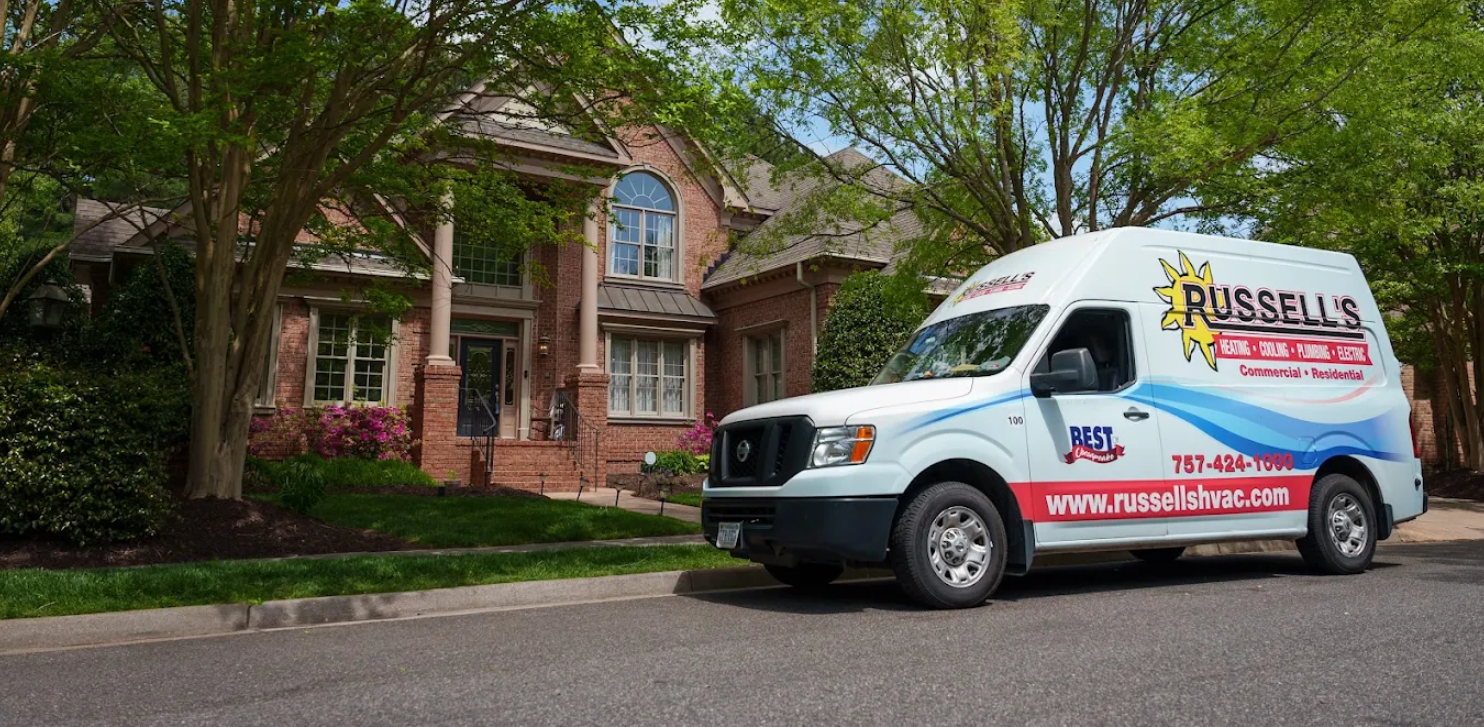
When you closed on the house, you took on systems that used to be someone else’s responsibility, and moving on to homeownership might come with extra tasks that aren’t readily explained. This post is our effort to bring you one for a Hampton Roads home. It covers each major system, what it needs from you and how often, and what needs a professional. The electrical system and the generator are included, since homes here depend on both.
Six things to find this week
- The main water shutoff, which in many homes here is in the crawl space or at the meter, and which deserves one turn now to confirm it still moves.
- The breaker panel, along with a look at whether the labels make sense and whether anything inside shows rust or water staining.
- The gas shutoff at the meter, if you have gas service.
- The air filter, which may be in a return grille or in the air handler itself, and its size.
- The water heater’s label, and the manufacture date printed on it.
- The generator’s controller, if the house has one, and the day its weekly self-test runs.
Heating and cooling
This is the largest system you own and the one that works hardest on the coast, cooling from April into October and heating on the cold nights between. Your part is the filter, checked monthly and changed every one to three months, and the outdoor unit, kept two feet clear and rinsed of salt and pollen after spring. Our part is a spring and a fall tune-up covering the coils, the charge, the electrical parts under load, the drain, the connections salt air loosens, and on gas equipment the heat exchanger, which is what warranties require and what keeps a coastal system running 15 years instead of 10.
Plumbing
Plumbing asks the most of you at two points in the year. In fall, disconnect the hoses, cover the spigots and outdoor shower, and wrap exposed pipe in the crawl space or garage, because the few hard freezes here catch pipes nobody insulated. Ahead of the holidays, have any sluggish drain cleared, and year-round keep grease away from the kitchen sink and wipes away from the toilets. Keep watch on the water bill, since a jump with no change in habits is the first sign of a hidden leak. Our part is a yearly inspection of pressure, lines, valves, drains, and the crawl space, plus anything involving gas or sewer lines; the plumbing services page covers the range.
The water heater
The water heater gets a section of its own because it offers little warning before failing and because new owners tend to know it least. Tank heaters last 8 to 12 years and tankless units about 20. Your job is to know its age, drain a few gallons of sediment from the valve at the bottom once a year, and keep an eye on its base for moisture. Our job is the anode rod that shields the tank from corrosion, the relief valve, and a plain answer about when replacing the heater on your own schedule beats waiting for it to give out. If the heater sits in a garage that floods or a damp crawl space, its age matters more.
Electrical
The electrical system has no filter to change, so it is the one most homeowners never think of as needing care. Your part is small: press the GFCI test buttons monthly, notice any outlet or switch plate that feels warm, retire permanent extension cords, and note any breaker that trips. Our part is a yearly inspection that opens the panel and checks every breaker and connection for heat, corrosion, and looseness, along with the grounding, the GFCI protection, and the outdoor connections salt air works on. Many homes here carry 100-amp panels or older wiring, and the electrical services page explains what an inspection finds.
The generator, if you have one
A standby generator runs a short self-test each week, and your part is to notice whether it does and to glance at the controller for a warning light. Our part is a yearly service with an oil change, a battery test, a look inside the enclosure for corrosion and pests, and a run under full load, which determines whether it starts in the next storm. If the house has no generator and your street loses power often, the home generators page explains what one does and how sizing works for a home with a heat pump.
Indoor air and safety devices
Coastal humidity makes indoor air a maintenance topic. The filter and the condensate drain are the first line, and a damp crawl space feeds moisture into the ducts running through it. Your job here is the filter, the detectors, and one look under the house each year. Our part is duct cleaning when it is due and whole-home dehumidification where a house needs it. Smoke and carbon monoxide detectors need a test twice a year and a replacement once they pass the date on the back.
Where the line falls
On your side of the line are the filters, the hoses, the covers, the settings, the detectors, and the looking. Ours holds refrigerant, gas, high voltage, the heat exchanger, the sewer line, the panel, the generator’s engine, and anything that needs test equipment. A homeowner who handles the first list and schedules the second spends less on the house over a decade, and worries less along the way.
Get a baseline
Russell’s American Mechanical has served Hampton Roads since 1977 with all four trades under one roof. The best first step for a new homeowner is a baseline visit that documents the age and condition of the heating, cooling, plumbing, and electrical systems. Schedule online, use the website chat, or call, and ask about the Premium Home Care Agreement, which puts the professional half of this guide on a schedule so you only have to manage your half.
