

Plumbing trouble tends to be slow, and slow trouble is easy to defer. Nobody rushes to fix a drip, and a drain that takes an extra minute to empty does not feel urgent. The catch is that water keeps working on the house the entire time, usually somewhere you cannot watch. That somewhere is often a crawl space already damp from the water table. Below are six problems we see regularly in Hampton Roads, what each becomes if it waits, and the small repair that keeps it from getting there.
The dripping faucet
According to the EPA, a faucet dripping once per second wastes roughly 3,000 gallons over a year, which is enough to show up on a bill. The costlier part is mechanical: a drip usually points to a worn cartridge or seat, and water running past a worn seat gradually wears the valve body itself, turning a cartridge swap into a whole new faucet. Caught early, it is a short faucet repair visit.
A toilet that will not stop running
The EPA also puts a running toilet at up to 200 gallons a day, and a water bill that jumps with no change in the household is very often a single flapper that has stopped sealing. If it is ignored, the fill valve runs around the clock, wears out, and eventually fails either open or shut. A flapper is among the least expensive parts in any house, and swapping it is an easy afternoon job or a quick stop for us.
Drains that have gotten slow
A slow drain is a partially blocked one, and whatever passes the blockage adds to it until nothing passes at all. When the blockage is in the main line rather than a single fixture, the first complete stoppage pushes wastewater back up through the lowest drain in the house, and cleaning up after that is nothing like clearing a slow sink. In the older neighborhoods of Norfolk, Portsmouth, and Chesapeake, roots working into aging sewer joints are a frequent reason a clog keeps coming back. The small fix is drain clearing while the drain is merely sluggish, and for a line that clogs again and again, rooter service and a camera look at the line get to the cause.
The small leak in the crawl space
Of everything on this list, this is the quietest and the most damaging. A pinhole in a copper run or a weeping joint beneath the floor releases a little water in the same spot every day, and on the region’s high water table, where the soil under a house may be damp anyway, there is no dry ground for the leak to darken and give itself away. Framing softens, subfloors swell, and mold settles into the wet cavity. Caught early, it is a pipe repair after a technician confirms it is a leak rather than groundwater, and our pipe repair team does that regularly. Caught a season later, it is a plumber, a remediation crew, and a carpenter.
Pressure that keeps fading
Low pressure is a symptom rather than a cause, and the causes behind it grow along different paths. A pressure regulator that is failing can swing the other way and let pressure climb high enough to stress every joint, valve, and appliance hose in the house, which is a common story behind a burst washing machine hose. Corrosion inside older pipes narrows them until they leak. A hidden leak stealing pressure is the problem above. In the well homes of rural Chesapeake and Suffolk, a pressure tank that has lost its air charge makes the pump short cycle and wears it out years early. A water pressure assessment tells which of these you have, and each is far less expensive to address before water reaches a floor.
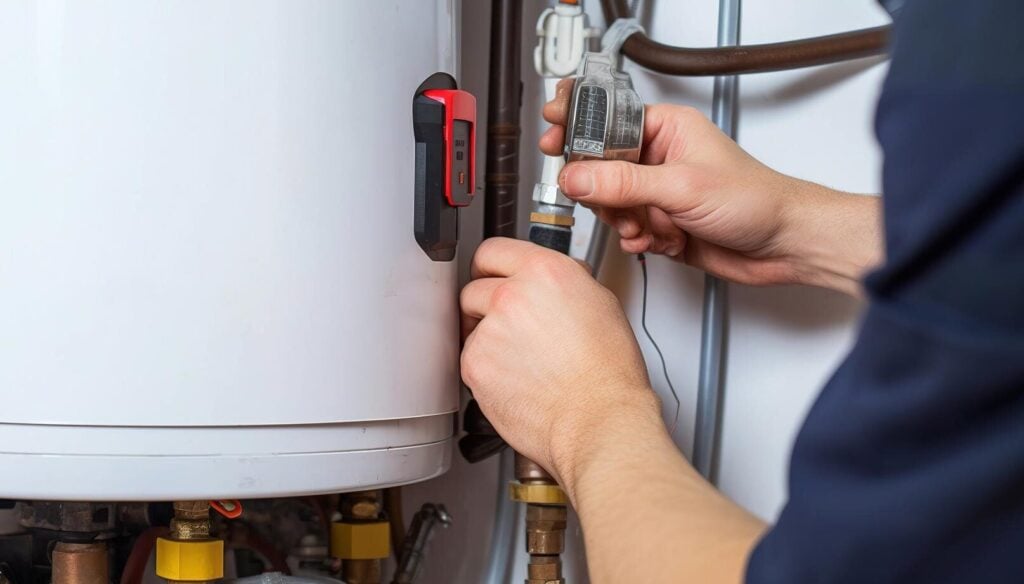
A water heater that rumbles
Sediment settling on the bottom of a tank heater is what makes it rumble as it heats and recover slowly between showers, and the same layer insulates the tank bottom so the steel overheats every cycle and turns brittle. That road ends with a tank that leaks and cannot be repaired. Many water heaters here live in garages that take water during a nor’easter or in crawl spaces that never fully dry, so the outside of the tank corrodes while the inside does. The small fix is a yearly flush and a look at the anode rod, which together buy years. The large one is a replacement on the tank’s schedule rather than yours.
Why waiting costs more on the coast
Two local facts change the arithmetic. The water table keeps crawl spaces damp enough that leaks hide in plain sight while corroding fittings from the outside. And storm season can flood a garage or a crawl space and turn a marginal water heater or a tired joint into a failure on the same day everyone else in the region has one. A repair scheduled in October happens when it suits you; the same repair in a storm week happens when a truck is free.
We would rather fix it small
Russell’s American Mechanical has served Hampton Roads since 1977. If any of the six problems above sounds like your house, schedule online, use the website chat, or call, and same-day appointments are available by phone when the day allows. Members of the Premium Home Care Agreement receive an annual plumbing inspection that looks for exactly these along with reduced rates on repairs, and the technician will set out the options at everyday pricing before any work begins.
