
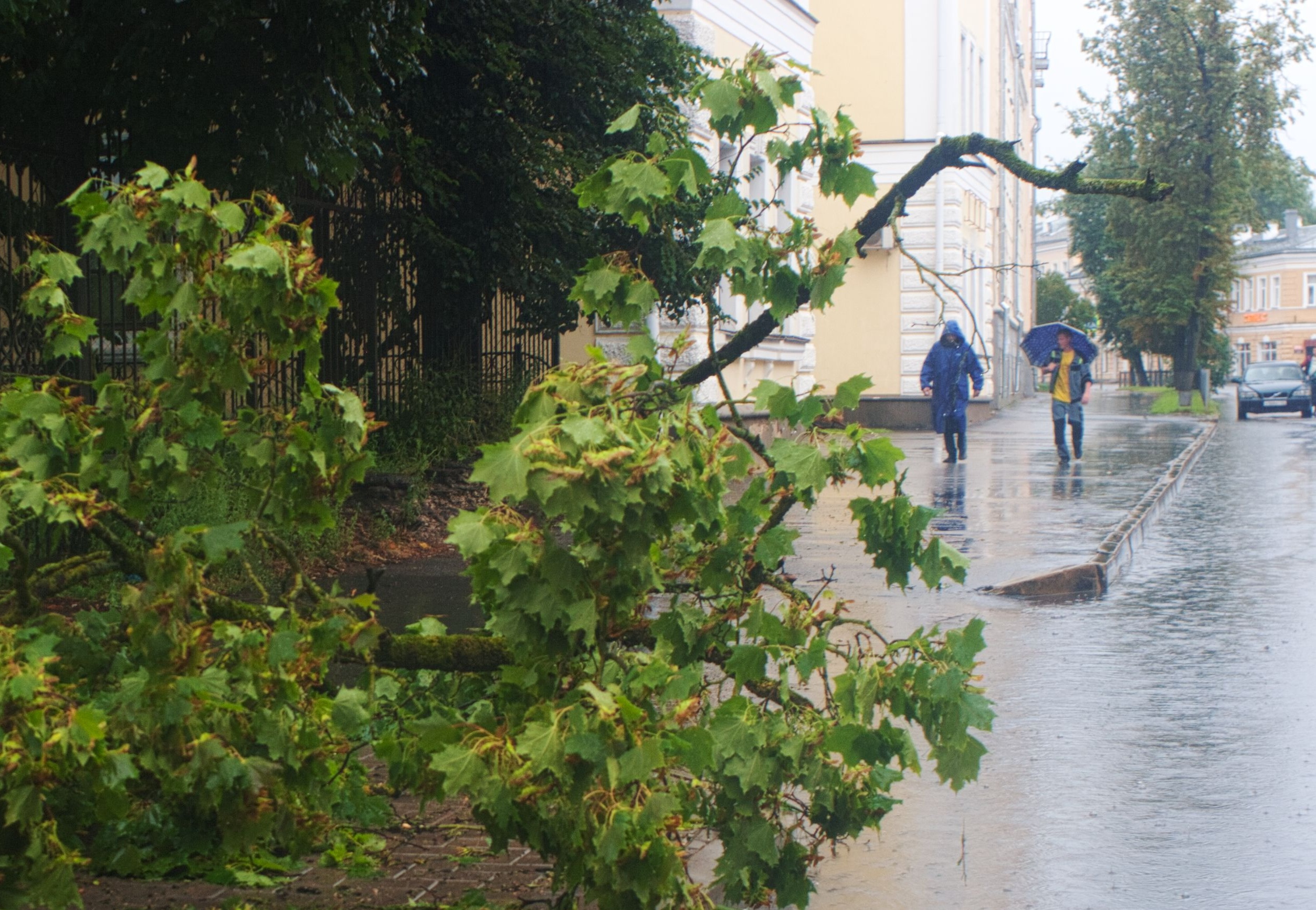
The storm has passed and the instinct is to start cleaning up. Before the shop vacuum comes out, it is worth walking the house with a list, because the damage that costs the most after a hurricane is often the damage nobody sees the first day. Water that reached a panel, saltwater that touched an outdoor unit, a sewer line that surged, a generator that ran for four days, and each is fine until it is not. Here is what to look at, in the order that keeps you safe, and how to tell what can wait.
Before you touch anything
Safety comes before assessment, always. If the house took water near the panel, an outlet, or an appliance, do not walk through standing water until the power to that area is off, and if you cannot reach the panel without wading, wait for an electrician. If you smell gas, leave and call the utility from outside. Look up before you look down, since downed lines in the yard or across the roof are the utility’s job and a line on the ground should be treated as live, and once those are clear the walk-through can begin.
Electrical: anything the water reached
Water and electricity are the post-storm combination that does the most harm, and coastal flooding adds salt. Any panel, outlet, switch, or disconnect that was under water, even briefly, needs inspection before use, because water inside a panel starts corrosion that becomes a fire risk weeks later, and saltwater does it faster. Look at the meter base and the service entrance for wind or debris damage, and at the outdoor disconnect for the air conditioner. Several dead electronics after restoration point to a surge, and a whole-home surge protector that took a large hit may need replacement itself. Our electricians evaluate flooded panels and wiring and say plainly what can be dried and what must be replaced.
Heating and cooling: the outdoor unit and the air handler
The outdoor unit is the equipment most often damaged in a coastal storm, and the damage comes in two kinds. Wind and debris bend fins, dent the cabinet, and pull the disconnect loose, all repairable. Flooding is different, and saltwater flooding is different again. A unit that stood in fresh water may be salvageable once the electrical components are inspected and dried; one that stood in saltwater, even for hours, has corrosion beginning in the compressor terminals, the contactor, and the board, and it will fail early even if it runs today. Adjusters know this, which is why photographing the water line on the cabinet matters. Indoors, an air handler in a flooded garage or crawl space needs the same evaluation, and ductwork that took water will need cleaning or replacement before it pushes mold into the house.
Plumbing and the water heater
Three plumbing problems follow a hurricane here, and the first is the water heater, which so often sits in a garage that floods; a tank that stood in water needs its gas valve, burner, or electrical components inspected before it is relit or powered, and one that stood in saltwater is usually a replacement. The second is the sewer line, since storm surge and saturated ground push wastewater back through the lowest drains, and a shower or floor drain that backed up during the storm should be checked with a camera inspection for a line that shifted or cracked. The third is the well, for homes that have one, because a well head that was under floodwater can carry contamination into the house, and the water should be treated as unsafe until it has been tested and, if needed, the system disinfected.
Generator: after a long run
If a standby generator carried the house through the storm, it did a year’s work in a week. Note the hours on the controller, check the oil level and look for leaks under the enclosure, and read any faults logged during the run. Look at the enclosure for debris against the louvers and for salt residue, which should be rinsed off. A unit that ran more than a day or two needs service before the next storm, and one that stood in floodwater needs an inspection before it runs again. Members of the Generator Care Agreement receive 20 percent off service and diagnostic fees.
The rest of the house
- Look at the roof from the ground for lifted shingles and at the ceilings for staining, since roof water shows up in the attic insulation and on the ductwork first.
- Check the outdoor spigots, the irrigation backflow preventer, and any dock or pool wiring for debris damage.
- Walk the yard for sinkholes or soft spots over the sewer or water line, which point to a break or a shift.
- Photograph everything before cleanup, including the water line on walls and equipment, for the insurance claim.
When the power comes back
Restoration has its own list, separate from storm damage, and our post on what to check after the power comes back covers the panel, the heating and cooling restart, the water heater, the pumps, and the refrigerator.
Sorting what can wait
After a storm, everyone in Hampton Roads needs service at once, so knowing what is urgent helps. A flooded panel, a gas smell, water in the house, a sewer backup, and a generator that will not restart are reasons to call the same day. A bent fin, a dented cabinet, and a spent surge protector can wait for a scheduled visit. Russell’s American Mechanical has served Hampton Roads since 1977 and has worked through every major storm since; same-day appointments are available by phone when the day allows, our answering service takes calls after hours, and members of the Premium Home Care Agreement receive priority response when a covered system fails. The technician who arrives will tell you what was damaged, what it will cost at everyday pricing, and what can safely wait.
