
Plumbing works quietly for years, which is why it is so easy to forget about, and when it finally asks for attention it tends to do so subtly. The water changes a little, a drain slows, a sound appears in the walls that was not there before. Those early signals are worth learning, because catching them keeps the repair small. Here is what to notice at the taps, the drains, the water heater, the crawl space, and, for many homes in this area, the well, along with what a plumbing inspection does about each.
Start with the taps
Pressure fades slowly enough that people adjust without noticing, until a guest mentions the shower or a second fixture makes the first one sputter. Low pressure throughout the house points to the pressure regulator where the water enters, a partly closed main valve, or corrosion narrowing the inside of older pipes. Low pressure at one fixture is usually a clogged aerator or a worn cartridge. Pressure that dropped suddenly rather than over years can mean a leak somewhere in the system. Water that runs rusty from the hot taps only means the water heater tank is corroding inside, while rust from both hot and cold points to older galvanized pipe corroding from within. A water pressure assessment measures pressure at the main and the fixtures and tells you which of these you are dealing with.
Inspect the drains
A single slow drain is a fixture problem, usually hair or soap in a bathroom trap or grease in the kitchen line. Several slow drains at once, or a clog that comes back a few weeks after it was cleared, is a line problem, and the line in question is often the main sewer line under the yard. Gurgling from a drain when a different fixture runs, or a toilet that bubbles when the washing machine empties, means air is being pushed back through a partial blockage. In the older neighborhoods of Chesapeake, Norfolk, and Portsmouth, tree roots find the joints in aging sewer lines, and a clog that returns every few months is the classic sign. A camera inspection shows what is in the line and where, and rooter service clears the full length rather than the few feet a store-bought snake reaches.
At the water heater
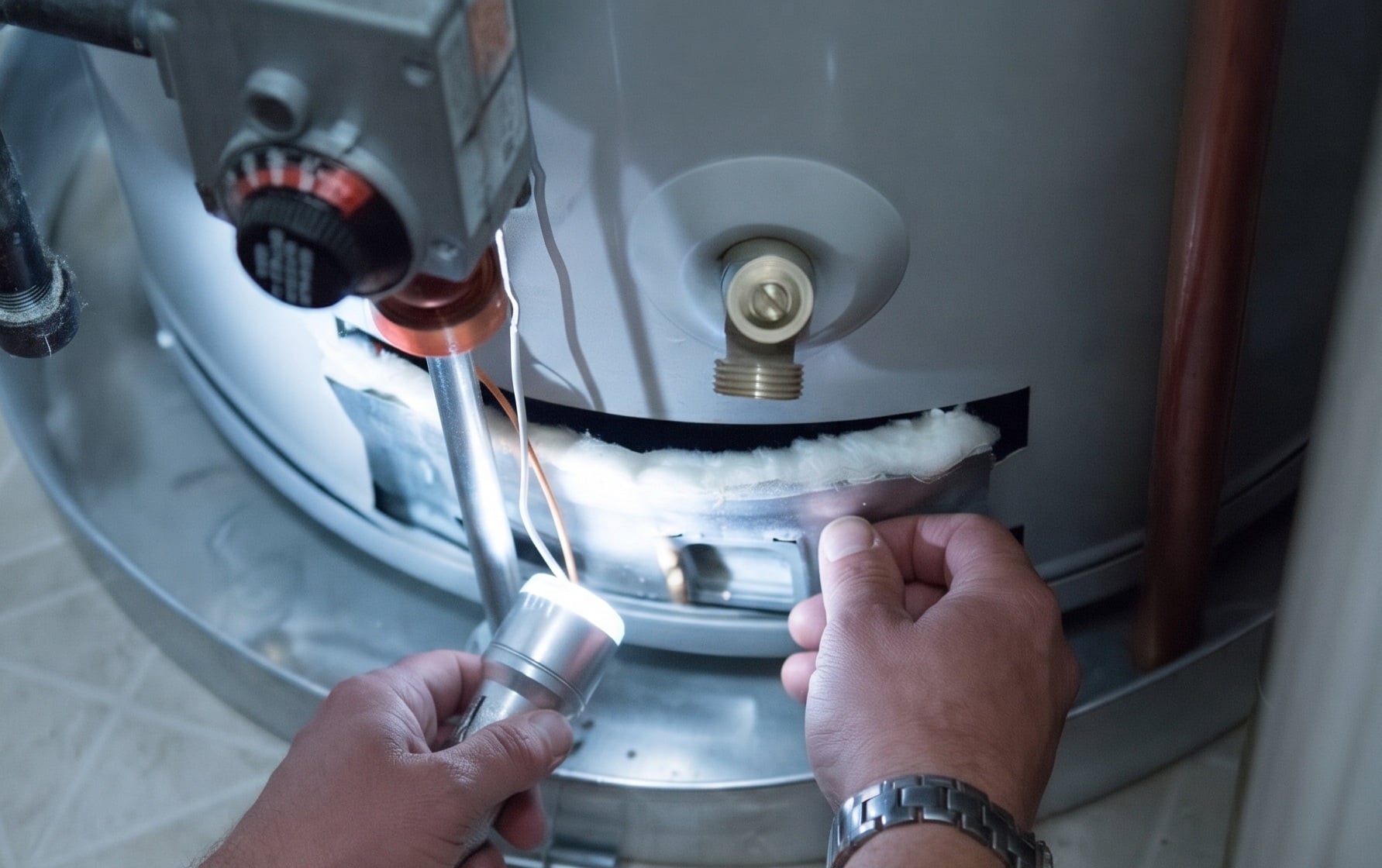
A heater that takes longer to recover between showers, rumbles or pops as it heats, or shows moisture at its base is telling you about the sediment on the bottom of the tank and the age of the steel. Sediment slows heating and overheats the tank bottom, and overheated steel eventually cracks. A yearly flush and a look at the anode rod, the sacrificial metal rod that corrodes so the tank does not, add years to a heater. If yours is past ten years and showing any of these signs, our water heater team can tell you plainly whether a repair or a planned replacement makes more sense.
Under the house
Hampton Roads sits on a high water table, and many homes here have crawl spaces that stay damp for long stretches of the year. That dampness hides plumbing problems and makes them worse. A musty smell at the crawl space door, rusted pipe hangers, fallen insulation, or standing water under a specific pipe run all point to a leak that has been going on long enough to change the space. Bare, uninsulated pipe down there will freeze in a January cold snap. A trip under the house with a flashlight twice a year, or a technician’s look during a maintenance visit, is how these get found while they are still small.
At the well
Homes on wells in rural Chesapeake, Suffolk, and across the line into Currituck County have their own signals. A pump that clicks on and off rapidly, called short cycling, usually means the pressure tank has lost its air charge, and it wears the pump out early. Pressure that surges and fades at the tap points to the switch or a leak in the line. Sediment in the water, or the iron and sulfur that are common in coastal plain wells, can mean the well screen, the pump, or the treatment system needs attention, and our water filtration team handles the water quality side.
What a plumbing inspection covers
A plumbing maintenance visit works through the system from the street to the fixtures. The technician measures pressure at the main and the fixtures and checks the regulator, tests every shutoff valve, including the ones under sinks that seize when they are never turned, checks the water heater’s age, anode rod, relief valve, and sediment, watches every drain’s flow, looks over the exposed pipe in the crawl space, and, for wells, checks the pressure tank, switch, and pump cycle. What you receive is a clear picture of the system, with the repairs that make sense now and the ones that can wait, and no pressure to do either. Members of the Premium Home Care Agreement receive an annual plumbing inspection as part of the plan.
We are glad to take a look
Russell’s American Mechanical has served Hampton Roads since 1977. If your home is showing more than one of the signs above, schedule online, use the website chat, or call, and same-day appointments are available by phone when the day allows. A planned repair on a day you chose costs less, and feels a good deal calmer, than the same problem handled in a crisis, and the technician will lay out the options at everyday pricing before anything is done.
