
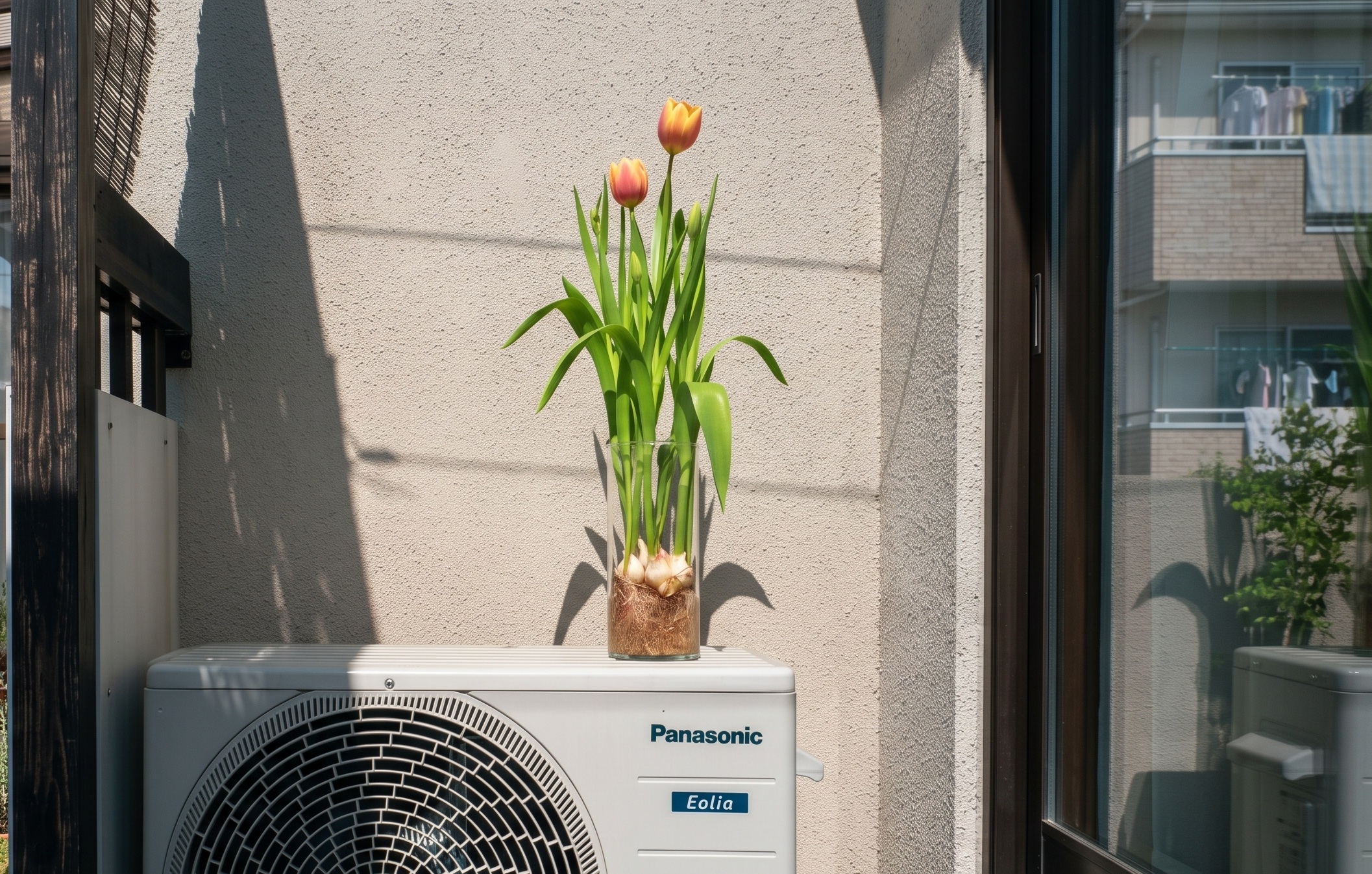
Spring in Hampton Roads is short, and it gives you good downtime worth using for preparing your home for later in the year. The heat pump is about to switch from heating to a six-month cooling shift, and the drains are about to see a summer’s worth of guests and cookouts. The humidity that settles in by June is still a few weeks off. This checklist is organized by where you will be standing rather than by system. That way you can work through the house in one afternoon and hand us the items you would rather not do. The electrical side of spring has its own list in our spring electrical checklist.
At the thermostat and the indoor unit
- Switch the thermostat to cool, set it a few degrees below room temperature, and confirm that cool air reaches the vents within a few minutes. A system that runs without cooling in March will not improve in July.
- Replace the filter and begin a monthly check. Spring pollen loads a filter in weeks rather than months, and a clogged one is the most common reason a coil freezes in the first hot spell.
- Look at the drain pan under the indoor unit for standing water or a musty smell, since the condensate line clogs with algae over the cooling season and this is the last dry month to clear it.
- If the indoor unit sits in the attic, look at the ceiling below it for staining, which is where an overflowing pan announces itself.
At the outdoor unit
The outdoor unit spent the winter collecting salt from the air, and it is about to spend the summer working in it.
- Rinse the coil gently from the inside out with a garden hose, without a pressure washer, to clear the salt film and pollen that block airflow.
- Trim shrubs and rake pine straw back two feet on every side so the unit can breathe.
- Look at the disconnect box on the wall and the wiring that runs to the unit for green or white crust, which is corrosion, and mention anything you see when you schedule the tune-up.
- Listen when the system starts. A hum before the fan turns, or a click that repeats, is a capacitor or contactor that will not survive the summer.
In the kitchen and bathrooms
- Run each faucet and watch the drain. A sink that empties slowly in March will stop in June when the house is full, and clearing it now is a short visit rather than a weekend problem.
- Open the cabinet under each sink and feel the supply lines, the shutoff valves, and the trap for moisture or mineral crust.
- Drop food coloring in each toilet tank and wait fifteen minutes. Color in the bowl means a flapper is leaking around the clock.
- Turn each shutoff valve a quarter turn and back, so it does not seize before the day you need it.
At the water heater
Coastal homes tend to keep the water heater in a garage or a crawl space, and both are hard on a tank. Read the manufacture date on the label, since a tank heater past ten years deserves a plan rather than a surprise. Flush a few gallons from the drain valve until the water runs clear, which removes the sediment that makes a heater rumble and shortens its life. Lift the relief valve’s test lever for a second and confirm water comes out and then stops. If the tank sits in a garage that took water in a winter nor’easter, look at the base and the fittings for rust, and let us know what you find.
Under the house
The water table in Hampton Roads rises with spring rain, and the crawl space is where that shows first. Take a flashlight under the house once this season and look for standing water, damp soil under a specific pipe run, fallen insulation, or rusted pipe hangers. Standing water is the reason to talk about a sump pump, and if one is already installed, lift the float or pour water into the pit to confirm it runs before storm season. Dampness concentrated under one pipe is a leak rather than groundwater, and it is worth a call.
Outside the house
- Turn the outdoor spigots on and watch for drips at the handle or the wall, since a freeze in January often splits a pipe that only shows itself when the water is turned back on in spring.
- Reconnect the hoses and turn the irrigation system on zone by zone, watching for heads that flood or fail to rise.
- Look at the irrigation backflow preventer for leaks, since it sits above ground and freezes first.
- Clear the gutters and confirm the downspouts carry water away from the foundation, because water that pools at the wall ends up in the crawl space.
What to hand to us
The items above tell you whether the systems run. A spring tune-up tells you whether they will keep running through October. Our technicians clean the coils, check the refrigerant charge, test the capacitor and contactor under load, clean and tighten the connections that salt air loosens, and clear the condensate line, and a plumbing inspection covers the water heater’s anode rod, the pressure regulator, and the drains. Members of the Premium Home Care Agreement receive both as part of the plan, with priority scheduling when the first hot week fills the calendar.
Getting on the spring calendar
Russell’s American Mechanical has served Hampton Roads since 1977. If you would like the professional half of this list handled before the heat arrives, schedule online, use the website chat, or call, and same-day appointments are available by phone when the day allows. A maintenance visit in March or April means a convenient appointment and a system that is ready when the humidity is not.
