
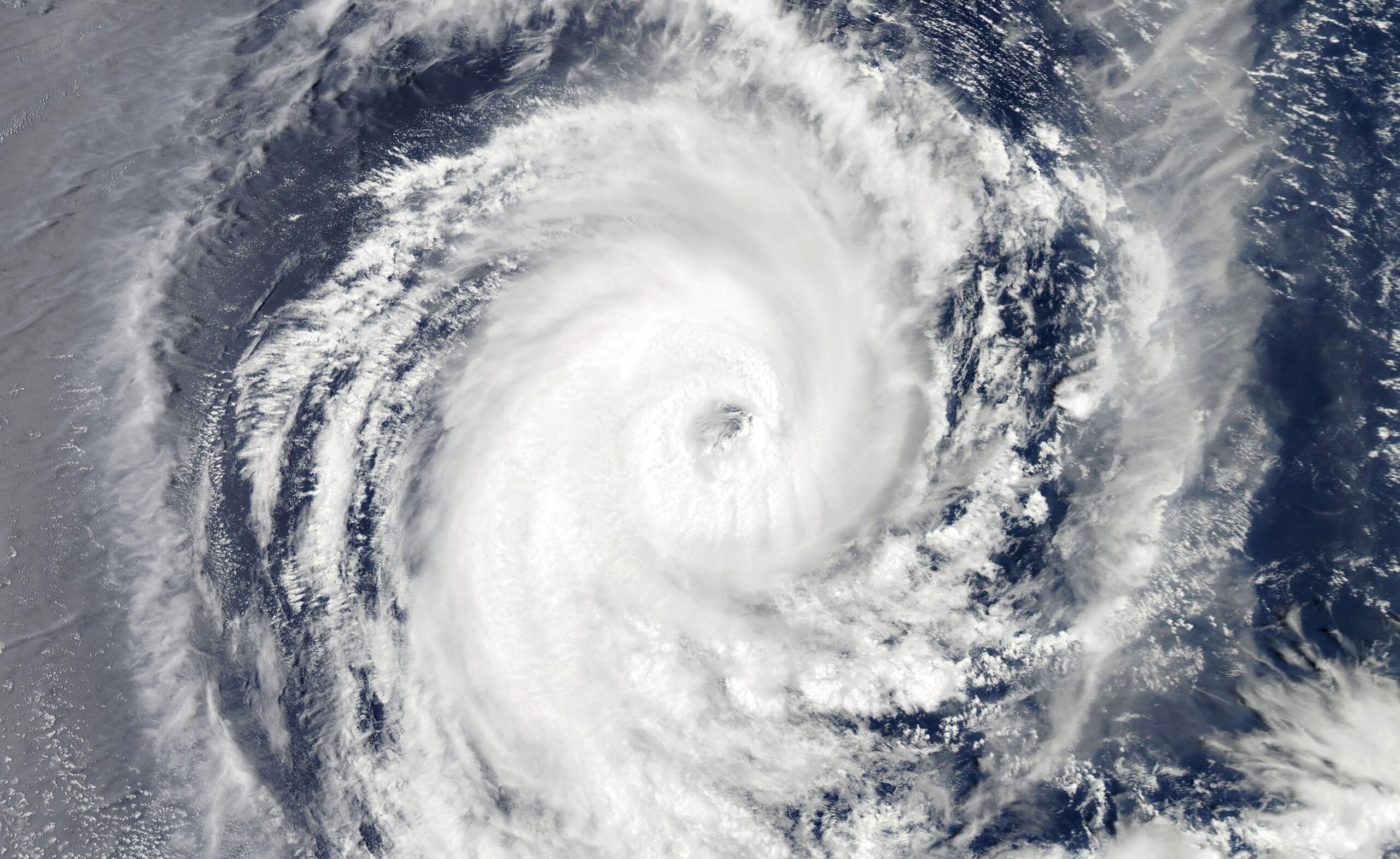
Hurricane season runs from June through November. In Hampton Roads, the memory of Isabel in 2003, Irene in 2011, and the nor’easters and tidal floods between them has taught homeowners to take May seriously. Preparation is easier when it is sorted by what a storm threatens. A coastal storm arrives three ways at once, taking the power, raising the water, and bringing the wind. Here is a May checklist organized that way, with the professional items marked, so the house is ready before the next named storm appears.
Power, and the assumption that it goes out
- If you have a standby generator, schedule its yearly service now, before the June rush, and confirm the weekly self-test is running and the controller shows green. Our generator service includes the run under load that shows whether the unit will carry the house for days.
- If you rely on a portable generator, run it, replace stale fuel, and plan where it will operate, outdoors and well away from windows and doors. If it will power anything hardwired, a manual transfer switch installed by an electrician is the safe way to connect it.
- If the house has no whole-home surge protection, add it before the season. Restoration surges after an outage take out air conditioners, appliances, and electronics across the region every summer, and the protector mounts at the panel in an hour.
- Know where the breaker panel is and label anything that is not labeled, so you can shut off circuits in a flooded area quickly.
Water, and knowing where it will go
Storm surge, tidal flooding, and a foot of rain in a day put water in places it does not usually reach, and the equipment sitting in those places is what fails after a storm.
- Look at what sits in the garage or the lowest level: the water heater, the panel, the heat pump’s air handler, the generator. If any of them has taken water in a past storm, ask about elevating it or relocating it before the next one.
- Test the sump pump by lifting the float or pouring water into the pit, and if it has no battery backup, arrange one, since the storm that fills the crawl space is the storm that cuts the pump’s power, and our sump pump team handles both.
- Find the main water shutoff and confirm it turns, so a supply line broken by debris can be shut off quickly.
- If your home is on a well, know that a flooded well head can contaminate the water, and plan on bottled water for drinking until it can be tested after any flooding.
- Clear the gutters and confirm downspouts and yard drainage carry water away from the foundation.
Wind, and securing what can move
- Have limbs that overhang the roof, the service line, or the outdoor equipment trimmed now, since wind and saturated ground bring down branches that have held for years.
- Confirm the outdoor heat pump or air conditioner is anchored to its pad, which is required in coastal areas and worth checking on older installations.
- Know what you will bring in or tie down: patio furniture, grills, trash cans, and anything else that becomes a projectile in 70-mile-per-hour wind.
- Check that the standby generator’s enclosure is latched and the space around it is free of anything that could blow against the louvers.
The systems themselves
A storm is hard on equipment that was already marginal, and a system that limps through May fails in the week after a hurricane when every company in the region is booked. A cooling tune-up before the season means the capacitor, the contactor, and the outdoor connections have been tested and the drain has been cleared, so a restoration surge or a week of humidity has less to work on. A look at the water heater’s age matters too, since an old tank in a garage that floods is a replacement waiting for a storm to schedule it. Members of the Premium Home Care Agreement receive priority scheduling, which matters most in the weeks after a storm.
The household plan
Alongside the house, a few items belong on the family’s list. Keep a written record of outages and what failed in past storms, since that history is the best guide to what to prepare for. Assemble the supplies a multi-day outage needs: water, shelf-stable food, flashlights, battery banks, medication, and cash. Photograph the major systems and the rooms now, so that any insurance claim afterward has a before picture. Review the flood and wind coverage on your policy in May rather than in September, and know your evacuation zone. None of that is plumbing or electrical work, but all of it is part of the same preparation.
After the storm
Preparation ends when the storm passes and assessment begins. Our post-hurricane checklist covers how to look at the electrical, plumbing, HVAC, and generator after a storm, and our post on what to check when the power comes back covers restoration.
Russell’s American Mechanical has served Hampton Roads since 1977 with heating, cooling, plumbing, electrical, and generators under one roof, which means the professional items on this list can be handled by one company in one or two visits. You can schedule online, through the website chat, or by phone, and same-day appointments are available by phone when the day allows. May is the month to do it, because by August the schedule belongs to the storm.