
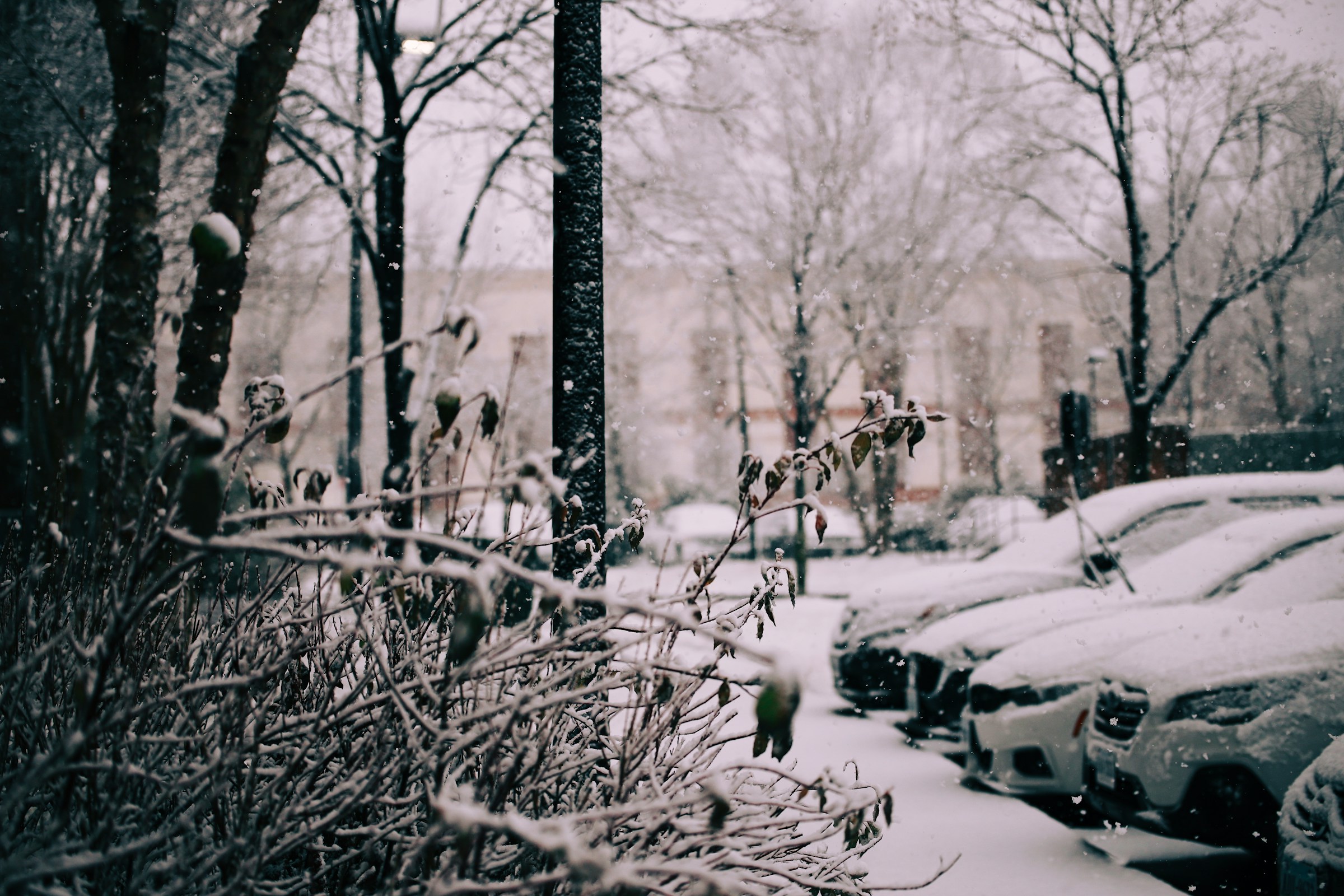
Winter storms in Hampton Roads are rarer than they are inland, and the region tends to notice when one is in the forecast. A nor’easter that sits offshore for two days brings wind, tidal flooding, and downed lines, and an ice storm adds a coating that takes down limbs and power for days. All of these situations reward a little preparation. Here is what to do a week out, the day before, and during the storm.
The week before: what takes a phone call
The first items are the ones you cannot do the night before, because they depend on someone else’s schedule.
- If the heating system has not had its fall tune-up, have it done now. A heat pump asked to hold a house on a 22-degree night with a wind off the water will lean on its auxiliary heat strips, a strip that failed last winter shows itself in exactly that weather, and a gas furnace deserves the same check.
- If you have a standby generator, confirm it has been running its weekly self-test and the controller shows green, schedule service before the storm if it has been more than a year, and fill a propane tank that is below half.
- If you rely on a portable generator, run it for fifteen minutes now, replace stale fuel, and buy the fuel you will need while the stations still have it and power.
- Have limbs that hang over the house or the service line trimmed, since ice adds weight that brings down branches that survived every summer storm.
- Clear the gutters and confirm the downspouts carry water away from the foundation, since water that pools at the wall ends up in the crawl space.
The day before: what takes an hour
- Protect the pipes. Disconnect and drain the hoses, cover the outdoor spigots and the outdoor shower, and wrap any bare pipe in the crawl space, garage, or attic in foam insulation. Our post on preventing frozen pipes covers the full routine, and the night of the storm is when it pays off.
- Close and seal the foundation vents so cold air is not blowing across the plumbing and ductwork under the floor.
- Find the main water shutoff and turn it once to confirm it moves, so that if a pipe does burst you are not searching for a seized valve in the dark.
- Test the smoke and carbon monoxide detectors and put in fresh batteries. An outage brings out space heaters, fireplaces, and generators, and carbon monoxide is the storm’s quietest danger.
- If you have a sump pump, lift the float or pour water into the pit and confirm it runs, since a coastal winter storm pushes the water table up while it cuts the power to the pump. A battery backup pump is worth arranging before a long storm.
- Charge phones and battery banks, fill a few containers with water, and set the refrigerator and freezer a little colder so they hold longer if the power drops.
- Set the thermostat where you want it and leave it. A steady setting keeps a heat pump off its strips, and if the power fails, a house that started warm stays livable longer.
During the storm
Once the weather arrives, the job is mostly to watch and stay safe. Let a faucet at the far end of the house drip slowly on the coldest night, and open the cabinet doors under sinks on exterior walls. Keep the thermostat steady rather than raising it, and keep supply vents open. If the power goes out, keep the refrigerator and freezer closed, move to the room that holds heat best, and use the fireplace only with the damper open and the detectors working. If you run a portable generator, run it outdoors and well away from every window and door, and never plug it into a wall outlet, because the power flows back into the utility lines where crews are working. If you smell gas, leave the house and call the utility from outside immediately.
The coastal complications
Two things make a Hampton Roads winter storm different from the same storm inland, and the first is water. A nor’easter arrives with tidal flooding in the neighborhoods along the rivers and creeks, so a garage that holds the water heater, the panel, or the generator may take water while the storm is still blowing, and knowing whether your home is in that position is part of the preparation. The second is what the cold does to a house that was never built for it. Pipes here are often uninsulated because they rarely needed to be, crawl spaces are open, and heat pumps that have never run their strips for more than an hour are asked to run them all night, and the list above is aimed at both.
After it passes
When the storm has moved on, walk the house before the day fills up. Check the pipes that were exposed for a trickle or a split, look at the ceiling below the attic and the floor around the water heater, and look under the house for standing water. If the power was out, look at the panel for tripped breakers and give the heating system a few minutes before judging it. Our post on what to check after the power comes back walks through that in detail.
If something did not hold
Russell’s American Mechanical has served Hampton Roads since 1977, and the days after a winter storm are among our busiest, so the earlier you reach out, the better. Same-day appointments are available by phone when the day allows, our answering service takes calls after hours, and members of the Premium Home Care Agreement receive priority response when a covered system fails. If a pipe has burst, shut off the main first, and then call; our frozen and burst pipe team will take it from there.